
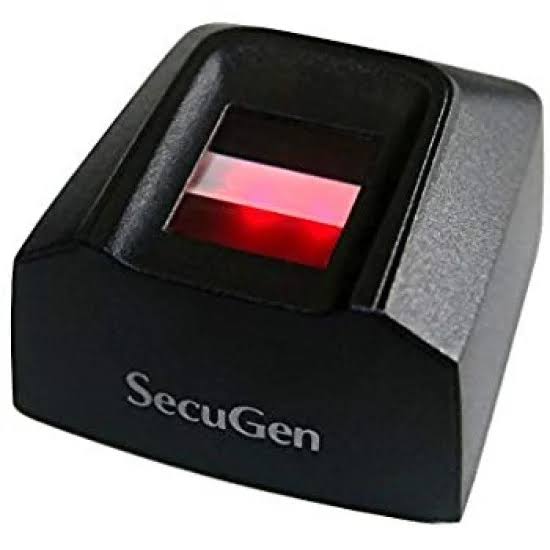
In an era where security and efficiency are paramount, businesses across Pakistan are rapidly adopting advanced biometric solutions to safeguard their premises, streamline attendance management, and enhance access control. Biometric fingerprint technology has emerged as the gold standard for identity verification, offering unparalleled accuracy, convenience, and security that traditional methods simply cannot match.
Biometric Finger Print Scanner: The Future of Identity Verification
A biometric fingerprint scanner is a sophisticated device that captures, analyzes, and verifies an individual’s unique fingerprint patterns for authentication purposes. Unlike passwords or access cards that can be shared, stolen, or forgotten, fingerprints are inherently personal and virtually impossible to replicate.
Modern fingerprint scanners utilize advanced optical, capacitive, or ultrasonic sensors to create detailed digital maps of fingerprint ridges and minutiae points. These scanners offer lightning-fast recognition speeds, typically authenticating users within one second, making them ideal for high-traffic environments like corporate offices, educational institutions, and manufacturing facilities.
The applications of fingerprint scanners extend far beyond simple attendance tracking. Organizations use them for secure door access control, computer and network login authentication, payment verification, and even cafeteria management. The technology’s versatility makes it an invaluable asset for businesses seeking comprehensive security solutions.
Integration capabilities are another significant advantage. Most contemporary fingerprint scanners seamlessly connect with existing HR software, payroll systems, and enterprise resource planning platforms, enabling automated data synchronization and eliminating manual record-keeping errors.
Biometric Finger Print Device: Choosing the Right Solution
When selecting a biometric fingerprint device, understanding the various types and their specific capabilities is crucial. Standalone devices work independently with built-in storage and display screens, perfect for small to medium businesses. Network-enabled devices connect to centralized servers, ideal for organizations with multiple locations requiring synchronized data management.
The Next Gen Technologies (thenextgentechnologies.com) stands out as a top company in Pakistan, offering a comprehensive range of biometric fingerprint devices tailored to diverse business requirements. From compact desktop scanners to ruggedized outdoor terminals, they provide solutions that combine reliability, accuracy, and user-friendly operation.
Key features to consider when choosing a fingerprint device include storage capacity (number of fingerprints and transaction records), recognition speed, false acceptance and rejection rates, durability for harsh environments, battery backup for uninterrupted operation, and multi-factor authentication options combining fingerprints with cards or PINs.
Advanced devices now incorporate additional features like facial recognition, iris scanning, and touchless technology, providing businesses with flexible, future-proof security solutions that can adapt to evolving needs.
Biometric Finger Scanner Devices Prices in Pakistan: Understanding Your Investment
One of the most common questions businesses ask concerns pricing and return on investment. Biometric finger scanner device prices in Pakistan vary significantly based on features, brand reputation, storage capacity, and build quality.
Entry-level standalone fingerprint devices typically range from PKR 8,000 to PKR 15,000, suitable for small offices with basic attendance tracking needs. Mid-range devices with network connectivity, larger storage, and advanced features cost between PKR 20,000 to PKR 40,000. Enterprise-grade systems with facial recognition, access control integration, and weather-resistant construction range from PKR 50,000 to PKR 150,000 or more.
The Next Gen Technologies offers competitive pricing across all segments while ensuring genuine products with full warranty coverage and professional installation services. Their transparent pricing model includes hardware costs, software licensing, installation, training, and ongoing technical support.
When evaluating prices, businesses should consider total cost of ownership rather than just initial hardware expenses. Quality devices from reputable suppliers like The Next Gen Technologies may have higher upfront costs but deliver superior accuracy, longer lifespan, and lower maintenance expenses, ultimately providing better value.
Conclusion
Investing in biometric fingerprint technology represents a strategic decision that enhances security, improves operational efficiency, and demonstrates organizational commitment to modern workforce management. With The Next Gen Technologies (thenextgentechnologies.com) as your trusted partner, you gain access to cutting-edge biometric solutions, expert guidance, and comprehensive support ensuring your investment delivers maximum value for years to come.
Frequently Asked Questions (FAQs)
1. How accurate are biometric fingerprint scanners?
Modern biometric fingerprint scanners are extremely accurate, with false acceptance rates (FAR) typically below 0.001% and false rejection rates (FRR) under 1%. This means the system correctly identifies users 99%+ of the time. High-quality scanners can distinguish between live fingers and fake replicas, ensuring security. Factors like sensor quality, algorithm sophistication, and proper enrollment significantly impact accuracy.
2. Can fingerprint devices work in harsh environmental conditions?
Yes, specialized ruggedized fingerprint devices are designed for harsh environments including construction sites, factories, and outdoor locations. These devices feature weatherproof enclosures (IP65 or higher ratings), resistance to dust, moisture, and extreme temperatures, scratch-resistant sensors, and protective coatings. The Next Gen Technologies offers industrial-grade options suitable for Pakistan’s diverse climate conditions.
3. What happens if an employee’s fingerprint is not recognized?
If fingerprint recognition fails, most devices offer alternative authentication methods including backup fingerprints (users can register multiple fingers), PIN code entry, RFID card access, or manual verification by administrators. Quality devices also allow threshold adjustments to balance security with user convenience. Proper training during enrollment and periodic system maintenance minimize recognition issues.
4. How many fingerprints can a typical device store?
Storage capacity varies by device model. Entry-level devices typically store 500-1,000 fingerprints with 50,000-100,000 transaction records. Mid-range devices handle 3,000-5,000 fingerprints with 100,000-500,000 transactions. Enterprise models can store 10,000+ fingerprints with millions of transaction records. Network-enabled devices can also sync data to centralized servers for unlimited capacity.
5. Is biometric fingerprint data secure and private?
Yes, reputable biometric systems prioritize data security. Fingerprint scanners don’t store actual fingerprint images but rather mathematical templates (encrypted algorithms) that cannot be reverse-engineered into fingerprints. Data transmission uses encryption protocols, devices offer multi-level access controls, and compliance with international privacy standards ensures protection. The Next Gen Technologies implements industry-standard security measures, ensuring your biometric data remains confidential and protected from unauthorized access.