Ambient Storage in Dammam: The 2026 Guide to Shelf-Stable Warehousing
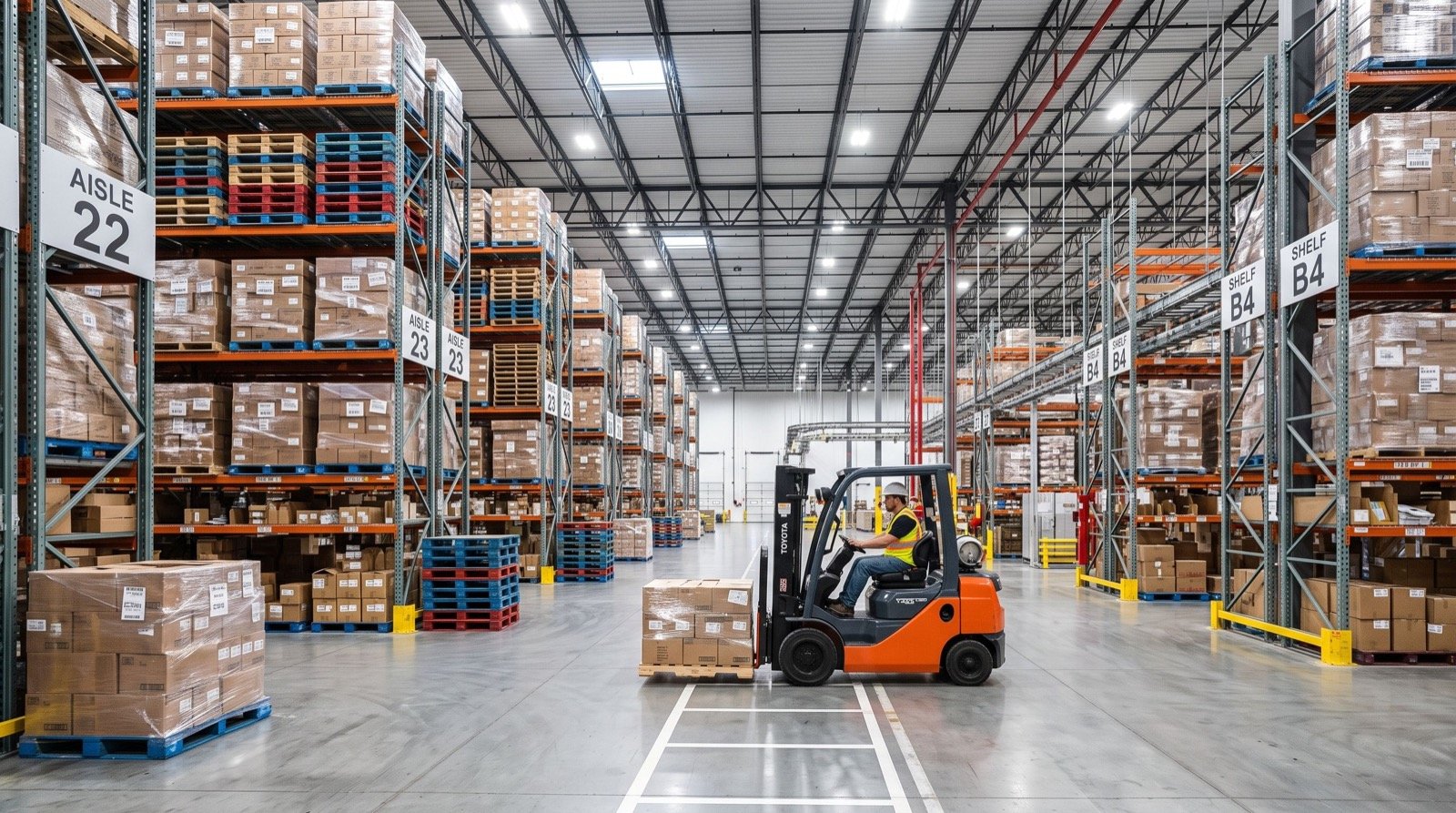
Not everything needs a freezer. Smart operators in the Eastern Province are discovering that well-managed Ambient Storage in Dammam can protect huge volumes of goods at a fraction of the energy cost of refrigeration. For canned foods, grains, packaging, and consumer products, ambient warehousing is the quiet workhorse of the supply chain.
This guide explains what ambient storage really means, how it compares to chilled and dry options, and why Dammam’s port-side location makes it a strategic choice in 2026. You will also find a spec table, a practical checklist, and answers to the questions operators ask most.
What Ambient Storage in Dammam Actually Means
Ambient storage keeps products at a controlled room temperature, typically between 15°C and 25°C, without active refrigeration. The goal is stability rather than cold. Insulation, ventilation, and humidity control do the heavy lifting instead of compressors.
In a climate where outdoor temperatures soar, “ambient” is not the same as “uncontrolled.” A quality facility still manages heat and moisture carefully so that chocolate does not bloom and cardboard does not soften. That distinction separates professional warehouses from simple sheds.
Why Dammam Is a Logistics Sweet Spot
Dammam sits beside King Abdulaziz Port and the causeway to Bahrain, making it a gateway for eastern imports and GCC trade. Goods can clear customs and move into ambient storage within hours, ready for regional distribution. This proximity trims transit time and cost for shelf-stable cargo.
Ambient vs Chilled vs Dry: A Clear Comparison
These terms overlap in conversation but differ in practice. Understanding the boundaries helps you avoid overpaying for cooling you do not need, or under-protecting sensitive stock.
| Type | Temperature | Energy Cost | Typical Goods |
|---|---|---|---|
| Ambient | 15°C–25°C | Low | Canned food, beverages, cosmetics |
| Dry | Room temp, low humidity | Low | Grains, flour, paper, electronics |
| Chilled | 0°C–4°C | High | Dairy, produce, pharma |
| Frozen | -18°C or below | Very high | Meat, seafood, ice cream |
The overlap between ambient and dry is real, but the emphasis differs. Ambient prioritizes a stable temperature band, while dry storage prioritizes low humidity to prevent moisture damage.
Energy Savings That Add Up
Refrigeration can account for the bulk of a cold warehouse’s power bill. By routing shelf-stable stock to ambient zones, companies slash consumption and emissions. That aligns neatly with Saudi Arabia’s push toward efficiency under the Saudi Green Initiative.
For high-volume, low-margin goods, this saving is decisive. Every kilowatt-hour you do not spend cooling canned tomatoes drops straight to the bottom line.
Choosing the Right Ambient Facility in 2026
Ambient does not mean low standards. The best operators still invest in monitoring, pest control, and fire safety. Use this checklist when you tour a site.
- Humidity control: Dehumidification to protect packaging and powders.
- Ventilation design: Airflow that prevents hot pockets near the roof.
- Pest management: Certified programs for food-grade goods.
- Fire suppression: Sprinklers and rated compartmentation.
- Inventory systems: Barcode or RFID tracking with real-time stock counts.
Guidance from the U.S. FDA on good manufacturing practice underlines how storage conditions affect product safety, even for shelf-stable items. Reputable Dammam facilities mirror these principles to protect quality.
Bundling Ambient With Dry and Cold
Many businesses need more than one temperature band. A distributor might keep beverages in ambient, flour in dry, and yoghurt in chilled, all under one contract. Providers offering Ambient Storage in Dammam alongside chilled and frozen zones simplify logistics enormously.
Cross-region flexibility matters too. Stock held in Dammam can feed central markets served by Dry Storage in Riyadh, keeping inventory balanced across the Kingdom. An experienced local team can map the ideal split for your product mix.
A Practical Tip for Ambient Warehousing
Here is an insight that saves headaches: never store product directly against exterior walls that face the afternoon sun. Even in a “temperature-stable” building, those walls radiate heat and create micro-hotspots. Leave a ventilation gap and stage heat-sensitive SKUs toward the building core. It costs nothing and preserves quality.
Common Ambient Storage Mistakes to Avoid
Even experienced operators trip over the same avoidable errors. Because ambient storage feels forgiving compared with refrigeration, teams sometimes relax standards that matter more than they realize. Knowing the pitfalls helps you protect stock and reputation.
The first mistake is ignoring seasonal humidity. Dammam’s coastal position means occasional damp spells that catch dry-focused warehouses off guard. Without active dehumidification, powders cake and labels peel almost overnight.
Three Errors That Cost Money
- Overstacking pallets: Crushed lower cartons and blocked airflow create hidden hot pockets.
- Skipping pest audits: A single infestation can condemn an entire food-grade lot.
- Poor stock rotation: Slow movers expire at the back while fresh stock ships first.
Each of these is preventable with basic discipline and the right facility design. Insist on documented procedures rather than assuming the basics are covered.
Another underrated factor is dock management. Goods left on a sun-baked dock for hours absorb heat that a stable interior then has to shed. Fast turnaround from truck to racking preserves the controlled conditions you are paying for. In 2026, operators using scheduled delivery windows and real-time yard visibility avoid these bottlenecks entirely, keeping ambient stock in peak condition year-round.
Frequently Asked Questions
What temperature is ambient storage?
Ambient storage typically maintains 15°C to 25°C without active refrigeration. Insulation, ventilation, and humidity control keep the environment stable, which suits canned goods, beverages, and many consumer products.
Is ambient storage the same as dry storage?
They overlap but differ in focus. Ambient prioritizes a stable temperature range, while dry storage prioritizes low humidity to stop moisture damage to grains, powders, and paper goods.
Why choose ambient storage in Dammam specifically?
Dammam’s proximity to King Abdulaziz Port and GCC trade routes lets shelf-stable imports clear and store quickly. This cuts transit time and cost for eastern and Gulf distribution.
Can I mix ambient, chilled, and frozen with one provider?
Yes. Multi-temperature operators let you store shelf-stable, chilled, and frozen stock under a single agreement, with unified tracking across Dammam and Riyadh.
Conclusion
Well-run Ambient Storage in Dammam is one of the smartest cost levers in modern warehousing. It protects shelf-stable goods, slashes energy bills, and leverages the Eastern Province’s port advantage, all while supporting the Kingdom’s sustainability goals in 2026. Match each product to the right band, insist on humidity and pest control, and choose a partner who can bundle ambient with dry and cold. Contact a trusted storage specialist today to design a warehousing plan that fits your inventory perfectly.