How to Choose a Solar Company in Karachi: A Practical 2026 Buyer’s Guide
Rising grid tariffs and long load-shedding hours have pushed thousands of Karachi households and businesses toward rooftop solar. Yet the single biggest factor in whether your system saves money for 25 years or becomes a rooftop headache is the installer you pick. Choosing the right solar company in Karachi in 2026 means looking past the cheapest quote and judging engineering, after-sales support, and warranty backing. This guide walks you through exactly what to check before you sign.
Karachi presents its own challenges: coastal salt air, dust storms, and a grid that fluctuates. A good installer designs around those realities instead of dropping a generic kit on your roof.
Why Your Choice of Solar Company in Karachi Matters So Much
Solar hardware is remarkably reliable, but installation quality varies wildly. Loose DC connectors, undersized cables, and poor earthing cause most early failures, and none of those are visible in a glossy brochure. The company you hire effectively becomes your maintenance partner for decades.
Pakistan added record rooftop capacity over the past two years as net-metering spread, according to tracking by the International Energy Agency. That boom also brought in fly-by-night sellers. Separating serious engineering firms from box-shifters protects your investment.
The hidden cost of a cheap installer
A bargain system that trips every monsoon, voids its panel warranty through bad wiring, or stalls your net-metering paperwork can erase years of expected savings. Spending 10 to 15 percent more on a competent firm usually pays for itself within the first breakdown you never have.
Seven Things to Verify Before You Sign
Use this checklist when you meet any Karachi installer. A reputable provider will answer every point without hesitation.
- AEDB certification — confirm the company is registered to carry out net-metering work.
- In-house engineers rather than freelance subcontractors who vanish after commissioning.
- Tier-1 panels and reputable inverters with genuine, traceable warranties.
- Written performance estimate showing expected monthly units for your specific roof.
- Structural assessment of your roof’s load capacity and tilt before quoting.
- Net-metering support that handles the K-Electric and NEPRA application end to end.
- Local service team reachable in Karachi, not a WhatsApp number routed to another city.
When you reach the shortlist stage, favour firms staffed by genuinely trusted professionals who document every stage of the job.
Comparing System Sizes for a Karachi Home
Sizing depends on your monthly consumption and roof space. The table below gives realistic 2026 ballpark figures for grid-tied rooftop systems in Karachi.
| System Size | Rough Roof Area | Typical Monthly Units | Best Suited For |
|---|---|---|---|
| 5 kW | 250–350 sq ft | 600–700 units | Small home, 1–2 AC units |
| 10 kW | 500–650 sq ft | 1,200–1,400 units | Large home, 3–4 AC units |
| 15 kW | 750–950 sq ft | 1,800–2,100 units | Villa or small commercial unit |
Treat these as starting points. A proper site survey measures shading, roof orientation, and your actual bill history before recommending a size.
What Quality Equipment Should You Expect?
Good installers are transparent about brands and specifications. Panels should carry a 25-year performance warranty, and inverters a minimum five-year warranty with local service backing. Ask to see the exact model numbers in writing.
If you want to compare components yourself, browse a curated catalogue of solar products in Pakistan so you understand what panels, inverters, and mounting hardware actually cost. Knowing market prices makes it far easier to spot an inflated or suspiciously cheap quote.
Inverters: the brain of your system
The inverter converts DC from your panels into usable AC and manages the net-metering export. A reliable string inverter from an established manufacturer, properly sized to your array, is worth the premium. Undersized or no-name inverters are the single most common warranty-claim headache in Karachi.
The Installation and Net-Metering Process
Knowing the steps helps you hold your installer accountable to a timeline.
- Site survey — engineers assess roof, shading, and electrical load.
- Custom design and quote with a clear bill of materials and performance estimate.
- Structural and electrical preparation, including mounting frames and earthing.
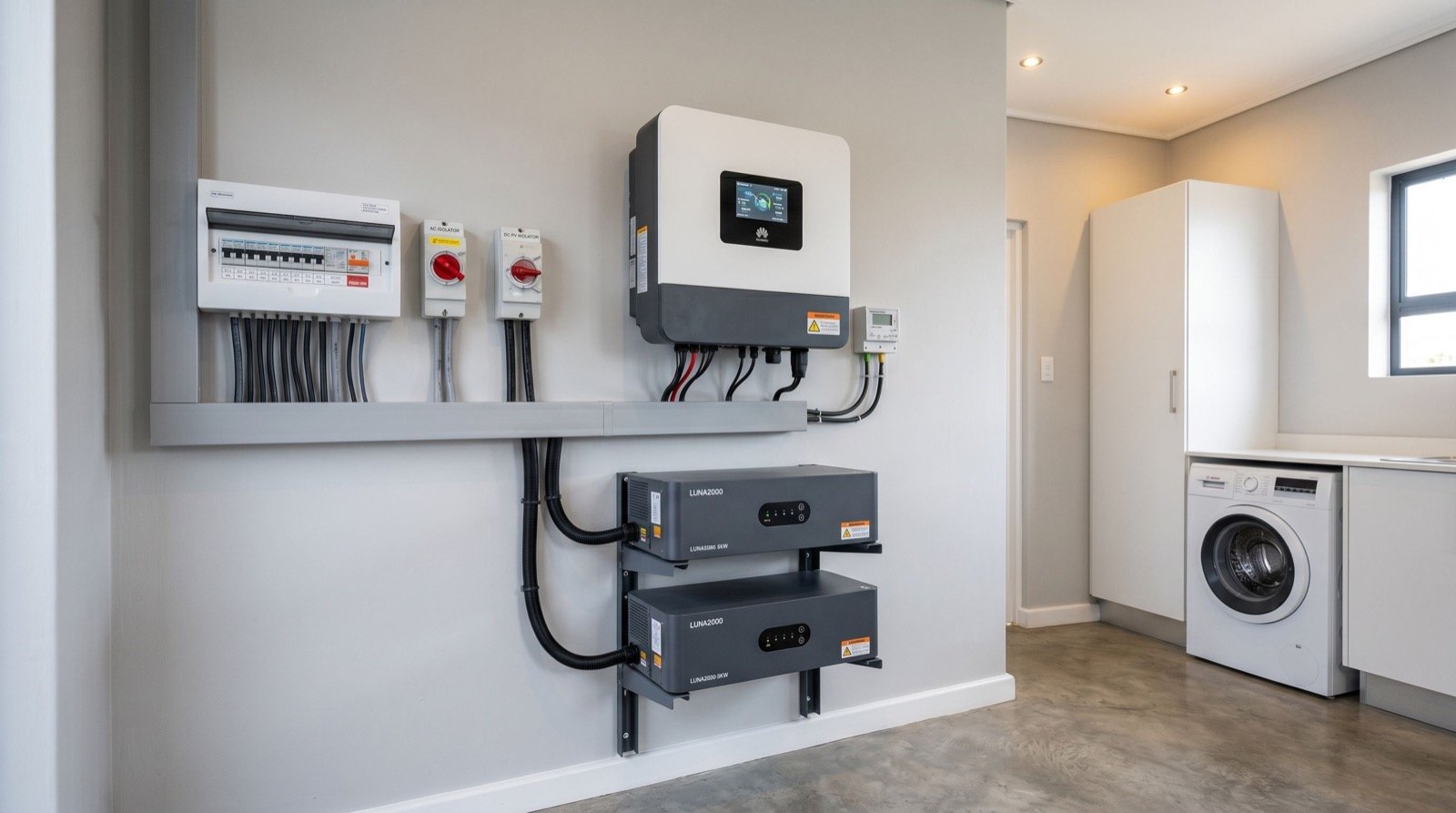
- Installation and commissioning of panels, inverter, and safety isolators.
- Net-metering application filed with K-Electric and approved under NEPRA rules.
- Handover and monitoring setup so you can track generation from your phone.
One practical tip from experienced installers: ask for your inverter’s monitoring portal login on handover day. If the company controls that access, switching service providers later becomes painful. Owning your own data keeps you in control.
Budgeting Realistically for 2026
Solar prices have softened as global panel supply expanded, but exchange-rate swings still move the market month to month. Rather than chasing the lowest headline figure, calculate your payback period: divide the total installed cost by your expected annual savings. A well-designed Karachi rooftop system typically pays for itself in three to five years, then produces nearly free power for two more decades.
Factor in a small annual maintenance budget for cleaning and inspection. Coastal dust can cut output noticeably, so panels in Karachi benefit from more frequent washing than those inland.
Beware of financing gimmicks too. Some sellers advertise rock-bottom monthly instalments that quietly bundle in inflated hardware prices or weak warranties. Always ask for the full cash price alongside any instalment plan, then compare the two honestly. A transparent company will happily show both and explain exactly what each rupee buys, from the panels and inverter down to the mounting structure and net-metering paperwork.
Frequently Asked Questions
How do I know if a solar company in Karachi is legitimate?
Check for AEDB registration, a physical office you can visit, verifiable past installations, and genuine manufacturer warranties. Legitimate firms provide a written design, a performance estimate, and clear net-metering support rather than only a verbal price.
How long does a rooftop solar installation take in Karachi?
The physical installation of a typical home system takes two to four days once materials arrive. Net-metering approval through K-Electric and NEPRA usually adds a few weeks, so plan for roughly four to eight weeks from signing to full export.
Does coastal weather in Karachi affect solar panels?
Salt air and dust are manageable with marine-grade mounting hardware and regular cleaning. Quality panels are rated for these conditions, but installation materials must resist corrosion, which is why using an experienced local installer matters.
Is net metering worth it in 2026?
For most Karachi homes with daytime consumption, yes. Net metering lets you offset expensive grid units with the surplus you export, shortening your payback period. Confirm current buyback rates with your installer before sizing the system.
Conclusion
Picking the right solar company in Karachi is a decades-long decision, not a one-off purchase. Prioritise certified engineering, genuine warranties, transparent equipment, and real local service over the cheapest quote. Verify every point on the checklist above, insist on a written performance estimate, and keep ownership of your monitoring data. Do that in 2026 and your rooftop will quietly pay you back long after the install crew has gone home.