
In an era where time is the most valuable commodity, businesses across all sectors are reimagining how they manage customer flow and wait times. Long queues and disorganized waiting areas not only frustrate customers but also significantly impact business reputation and revenue. The solution lies in implementing intelligent queue management systems that transform chaotic waiting experiences into streamlined, efficient customer journeys.
Queue Management System: The Foundation of Exceptional Service
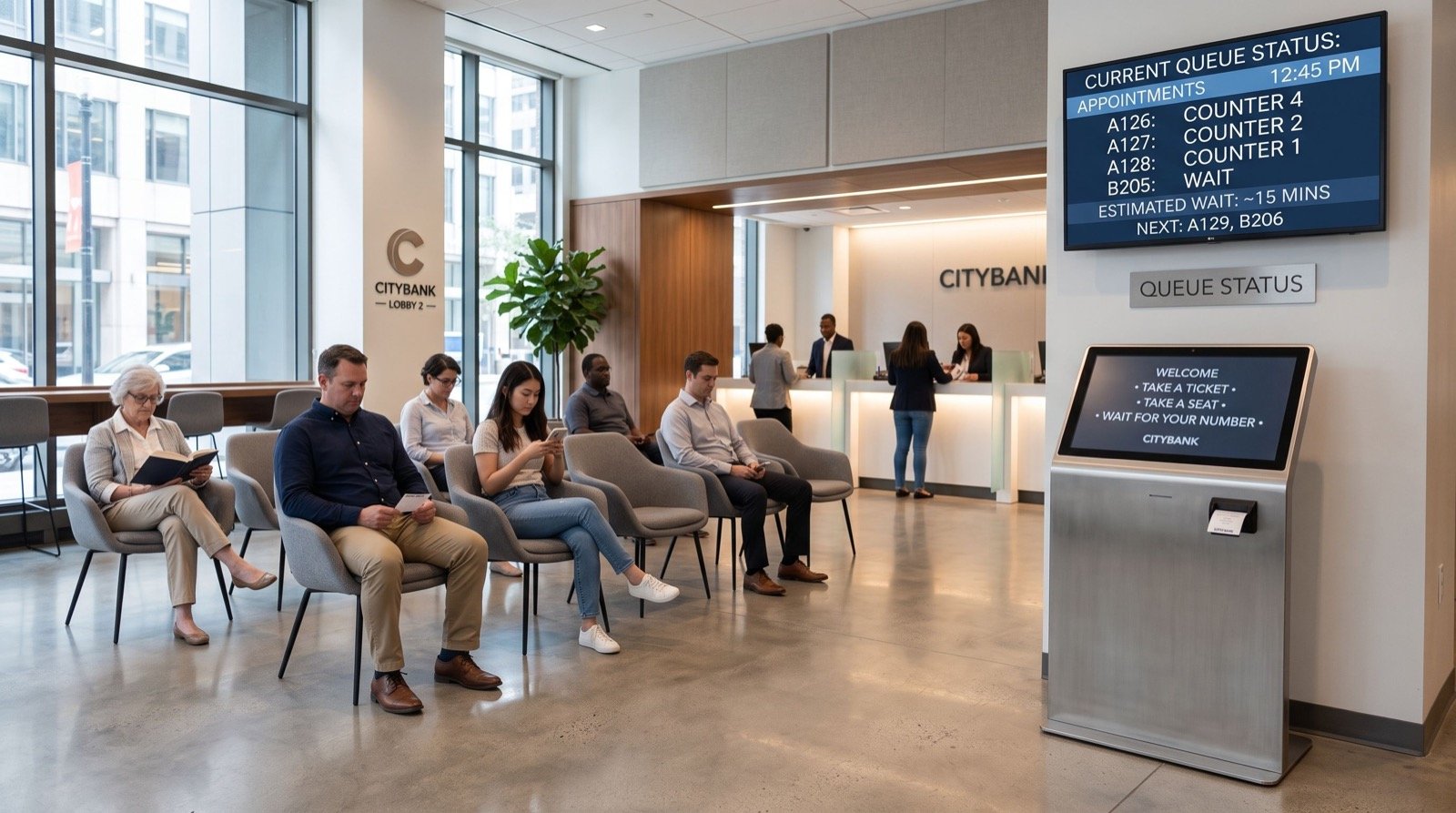
A queue management system is a sophisticated technological solution designed to organize, track, and optimize customer flow in service-oriented environments. Unlike traditional first-come-first-served approaches, modern systems utilize digital ticketing, real-time analytics, virtual queuing, and smart notifications to create seamless customer experiences.
These systems benefit businesses in multiple ways. They reduce perceived wait times through accurate time estimates and progress updates, optimize staff allocation based on real-time demand, collect valuable data on peak hours and service efficiency, and most importantly, enhance customer satisfaction by providing transparency and control over the waiting process.
Industries ranging from healthcare and banking to retail and government services have embraced queue management technology. Hospitals use it to manage patient appointments and emergency room traffic, banks implement it to handle diverse service requirements across multiple counters, and retail stores leverage it during peak shopping seasons to maintain service quality.
The integration of mobile technology has revolutionized queue management further. Customers can now join queues remotely, receive SMS or app notifications about their turn, and utilize their waiting time productively rather than standing in physical lines.
Queue Management System Khobar: Elevating Business Standards
Khobar, as one of the Eastern Province’s most vibrant commercial hubs, presents unique challenges and opportunities for queue management implementation. The city’s diverse business landscape—from sprawling shopping malls and healthcare facilities to government offices and financial institutions—requires sophisticated solutions that can handle high customer volumes while maintaining service excellence.
Businesses in Khobar are increasingly recognizing that efficient queue management directly impacts their competitive advantage. During peak hours and holiday seasons, the difference between a well-managed queue system and a chaotic waiting area can determine customer loyalty and brand perception.
The Next Gen Technologies (thenextgentechnologies.com) has established itself as a leading provider of cutting-edge queue management solutions in Khobar, offering customized systems that address the specific needs of local businesses while incorporating international best practices.
Queue Management System Dammam: Meeting Metropolitan Demands
As the capital of the Eastern Province and a major administrative and commercial center, Dammam presents even greater demands for efficient queue management. The city’s government offices, healthcare networks, banking sectors, and large-scale retail operations serve hundreds of thousands of residents and visitors daily.
Dammam’s strategic importance as a business hub means that organizations operating here must maintain the highest service standards. Queue management systems in Dammam need to accommodate bilingual interfaces (Arabic and English), integrate with existing enterprise systems, comply with local regulations, and scale to handle fluctuating customer volumes.
The Next Gen Technologies understands these unique requirements and delivers comprehensive queue management solutions tailored specifically for Dammam’s dynamic business environment. Their systems combine hardware excellence with intelligent software, providing businesses with complete visibility and control over customer flow.
Conclusion
Investing in a modern queue management system is no longer a luxury—it’s a necessity for businesses serious about customer satisfaction and operational efficiency. Whether you’re operating in Khobar, Dammam, or anywhere in the Eastern Province, the right queue management solution can transform your customer experience, boost staff productivity, and significantly improve your bottom line.
Frequently Asked Questions (FAQs)
1. What are the main components of a queue management system?
A complete queue management system typically includes ticket dispensers or kiosks, digital display boards showing queue status, counter calling units for staff, management software for analytics and control, and often mobile apps or SMS integration for virtual queuing. These components work together to create a seamless customer flow experience.
2. How does a queue management system reduce perceived wait times?
Queue management systems reduce perceived wait times by providing customers with accurate estimates, showing transparent progress updates on display screens, allowing them to wait comfortably away from the service area, and enabling virtual queuing where customers can join remotely. Transparency and control significantly improve customer perception of waiting.
3. Can queue management systems integrate with our existing business software?
Yes, modern queue management systems are designed to integrate seamlessly with CRM systems, appointment scheduling software, ERP platforms, and other enterprise applications. This integration enables automated data flow, better analytics, and improved overall service coordination across your organization.
4. What is the typical implementation timeline for a queue management system?
Implementation typically takes 2-4 weeks depending on the complexity and size of your operation. This includes site assessment, system design, hardware installation, software configuration, staff training, and testing. Providers like The Next Gen Technologies offer comprehensive support throughout the entire process.
5. How do we measure ROI from a queue management system?
ROI can be measured through multiple metrics including reduced customer abandonment rates, increased daily service capacity, improved customer satisfaction scores, decreased staff stress and turnover, better resource utilization, and increased repeat business. Most organizations see positive ROI within 6-12 months through improved efficiency and customer retention.